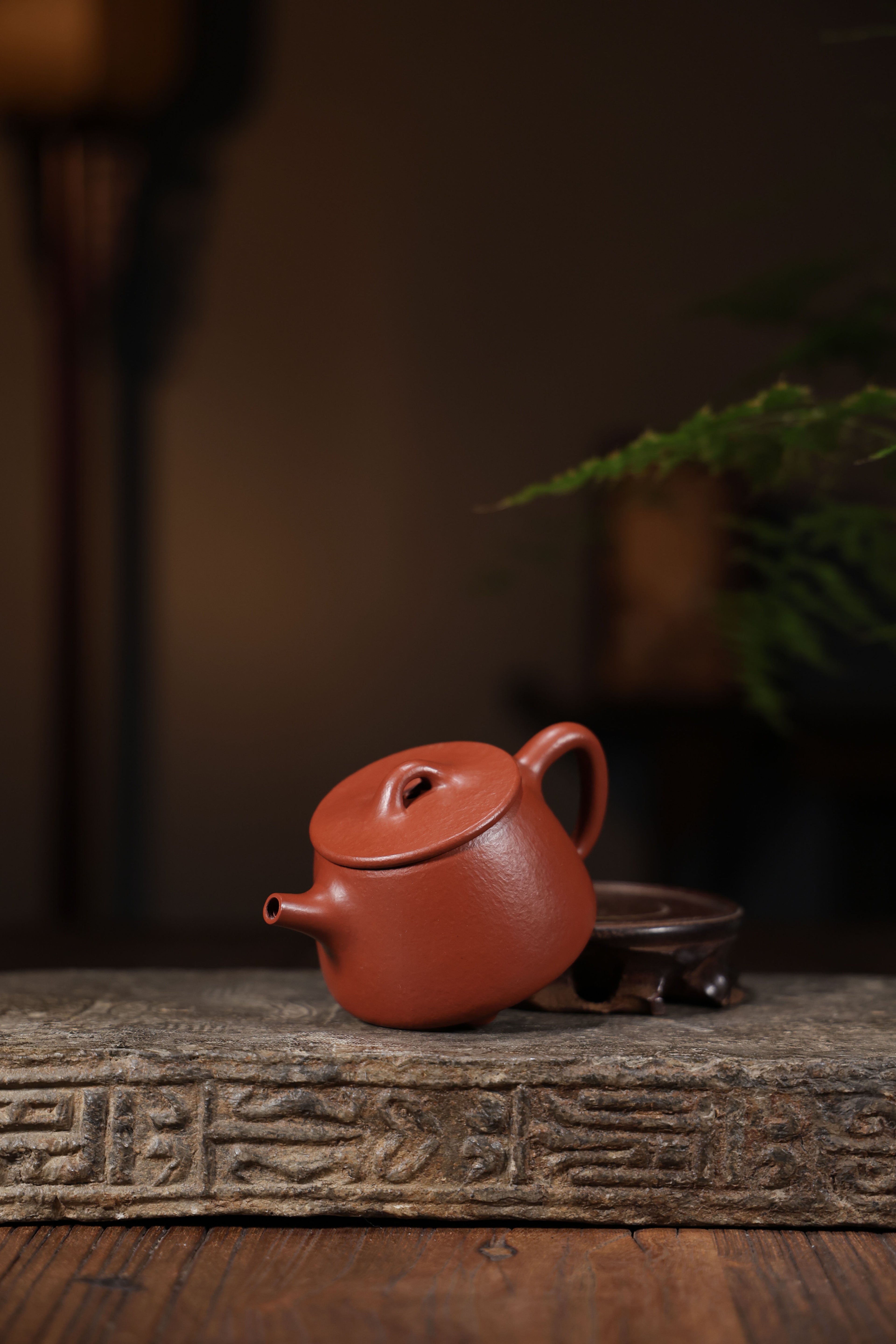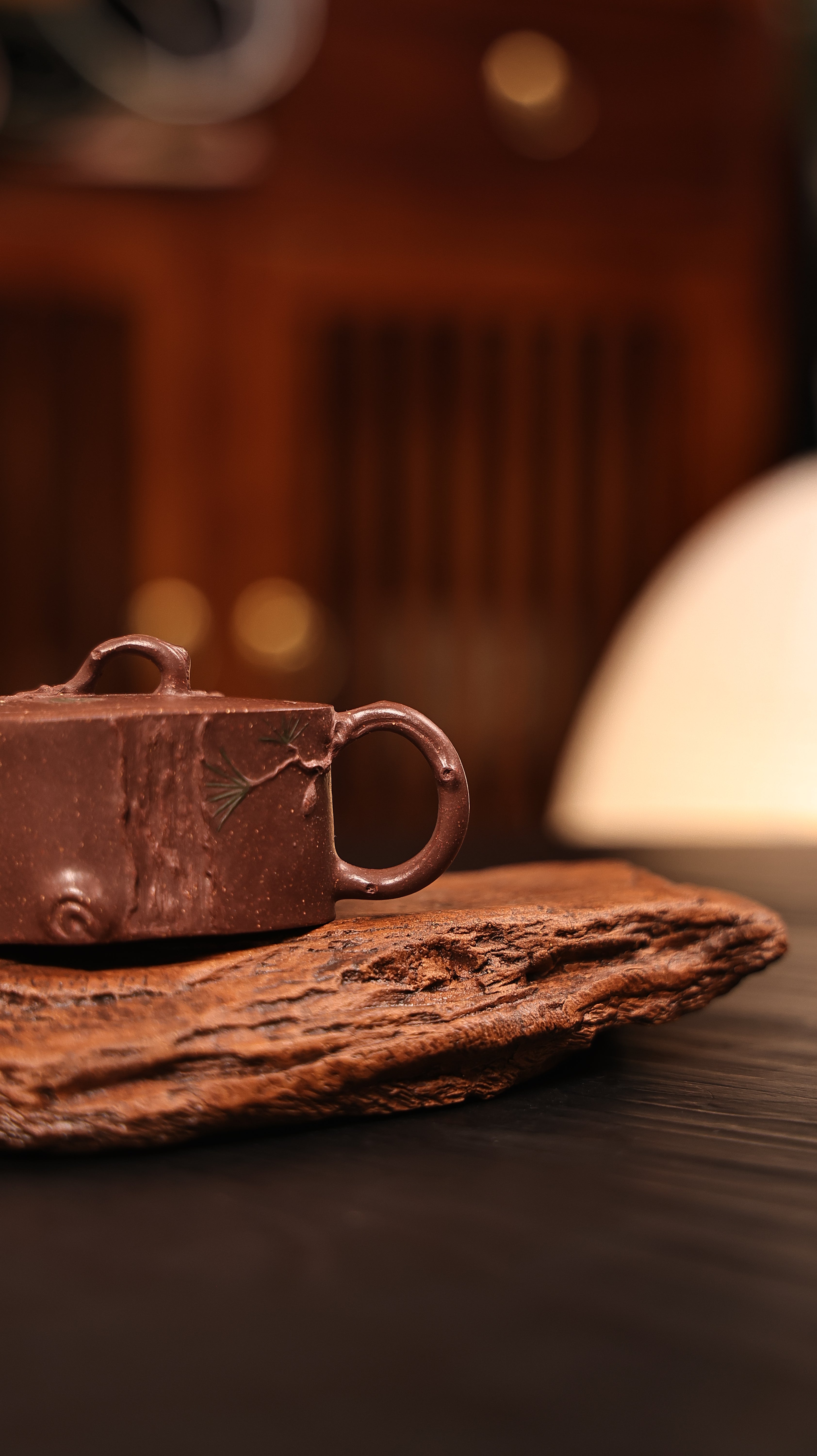
Ages in fans have long valued the special appeal of Yixing Zisha vessels. Emerging in the quaint town of Yixing, the land, these jars are shaped from a infrequent and quarried purple clay famous for its remarkable thermal qualities and capacity to enhance the richness of infusions. Exceeding their serviceable asset, Zisha teapots express a extensive historical heritage, designating them markedly coveted and a real gem for any zealous teapot collector.
Discovering Yixing Vessels
These teapots highlight a singular mixture of history and craftsman craftsmanship. Developing in Yixing, Jiangsu Zone of China, their narrative stretches the Ming Dynasty, although evidence suggest earlier models. The distinctive purplish clay, called Zisha, found just in the Yixing region, is the integral component, contributing to the pots' excellent heat keeping and the manner they alter the taste of tea. Continuums of potters have honed techniques—often bequeathed through families—including molding the clay, applying intricate embellishments, and firing the pots at consistent temperatures.- Originally, Yixing teapots were often ornamented with simple designs.
- Afterwards, more sophisticated carvings and iconographic motifs became widespread.
- The kiln firing itself is a vital element, requiring extensive periods of competence.
Curating Zisha Teapots: Essential Criteria
Beginning a campaign to acquire Zisha containers can be enjoyable, but it’s essential to know what to inspect. Authenticity is paramount; focus on the terrain’s natural color, a earthy reddish-brown is regular. Examine the surface; genuine Zisha has a particular tactile sensation, often described as slightly coarse. The morphology should be aesthetically sound and consistent with antique styles, while labels, if present, require thorough examination for reliability. Don’t postpone to consult with knowledgeable enthusiasts or credible materials – their knowledge is irreplaceable.
Oriental Teapots: Discovering the Culture of famous Ceramics
Ages have seen Yixing Zisha Clay teapots possess a notable role in Chinese civilization. These masterfully created pots, sourced only from the zone of Yixing, are distinguished for their specific color, consistency, and their ability to refine the scent of extracts. Various collectors collect antique Yixing teapots, coveting them extensively not only for their aesthetic charm, but also for the past they symbolize.
Yixing Zisha Teapots: Exceptional Ultimate Selections and Their Aspects
Ming Clay teapots, native to the celebrated section of Yixing, the land, are acclaimed for their uncommon clay and high-quality brewing features. Throughout the countless Zisha types, the kinds that are highly coveted include Binzhou Purple Sand. Binzhou, known for its intense purple shade and silky texture, delivers a light flavor. Duan Ni clay, recognizable by its chestnut color and slightly grainy feel, is regarded to enhance a weight. Lastly, Zhuni faction boasts an exceptional red tone and can give a gentle nuance. Each category offers a unique experience, enabling them distinctly desirable to beverage enthusiasts.
Achieving Individual Pottery Container
To unleash the magic of your Yixing teapot, appreciating the correct means is indispensable. These clay receptacles, celebrated for their texture, will eventually incorporate the character of the tea you steep within them. Begin by rinsing the teapot thoroughly with steaming water. Then, use only top-grade whole leaf tea, as lower quality options can harm the vessel’s delicate essence. Always let the leaves to develop completely, and remember that with each infusion, your Yixing pot will become steadily valued.
Sustaining Your Priceless Zisha Heirloom
Proper attention for your Zisha kettle is fundamental to safeguarding its quality and worth. Zisha clay, respected for its Yixing Teapot unique hue and makeup, requires specific handling. Never use intense formulas, as these can spoil the film. After every infusion, rinse the teapot with room temperature water and allow it to evacuate moisture completely.
- Do not soaking the pitcher for extended times.
- Regularly use a soft polishing cloth to dress the exterior.
- Think about applying a thin layer of food-grade grease inside the pot after drying, which can diminish staining.
Overview of Yixing Clay Pots
Yixing earthenware, originating from the Yixing sector in Jiangsu Province, part of China, are celebrated for their distinctive aspects. Produced from the unique purple substance known as Zisha, these vessels are prized by infusion enthusiasts worldwide. This primer will neatly explain the basics – covering kinds of Zisha matrix, frequent shapes, and fundamental care helpful hints. Understanding the origin of Yixing containers can boost your appreciation for this time-honored example of Far Eastern folklore.
Technique of Eastern Pots: Spotlighting Zisha native to the Yixing territory
Zisha compound from the Yixing territory represents the peak of Asian jar design, boasting a distinctive blend of elemental beauty and valuable artistry. These famous pieces are honored for their dynamic complexions, often varying from rich purples and rust hues to faint greys and faint beiges. The noted mineral composition of the indigenous Zisha terrain imparts a signature texture and produces a welcoming aroma that increases the complete extract experience, contributing to them strongly desired collectibles and key components of any serious ceremony.